FOLO verifies your NetWorth through the RBI Account Aggregator framework and delivers your NDML certificate, typically within 24 hours.


A SEBI Accredited Investor is an individual, trust, or corporate entity officially certified by SEBI (Securities and Exchange Board of India) as financially capable of bearing higher investment risk. Certification is issued by a SEBI-recognised Accreditation Agency, typically a stock exchange, depository, or their subsidiary, after verifying income or net worth against SEBI's prescribed thresholds.
Once certified, accredited investors get access to Alternative Investment Funds (AIFs), Portfolio Management Services (PMS), private equity, venture capital, and angel investments, along with lower minimum ticket sizes and negotiable terms not available to regular retail investors.
From September 2026, angel investing in India requires SEBI accreditation, making this certificate a prerequisite, not just a privilege, for a growing part of the private markets.
Source: SEBI's Accredited Investor framework (August 2021 circular)Connect your financial accounts via the RBI-regulated Account Aggregator framework.
FOLO generates your NetWorth Certificate and accreditation application. Review the numbers, then e-sign.
Receive your NDML Accreditation Certificate, typically within 24 hours, and unlock access to investment opportunities exclusive to SEBI Accredited Investors.




Access AIFs, private equity, venture capital, and other alternative investments.

Invest in eligible products with reduced minimum investment requirements.

Access products and opportunities available exclusively to accredited investors.

Benefit from negotiable terms with eligible PMS providers and investment advisors.

Explore angel investments, startups, private equity, and venture capital opportunities.

Recognised across participating platforms with a single SEBI-accredited certificate.
Primary residence is excluded from NetWorth calculations.
The certificate is day one. From day two, FOLO keeps doing what it was built for your entire financial life, on one screen.
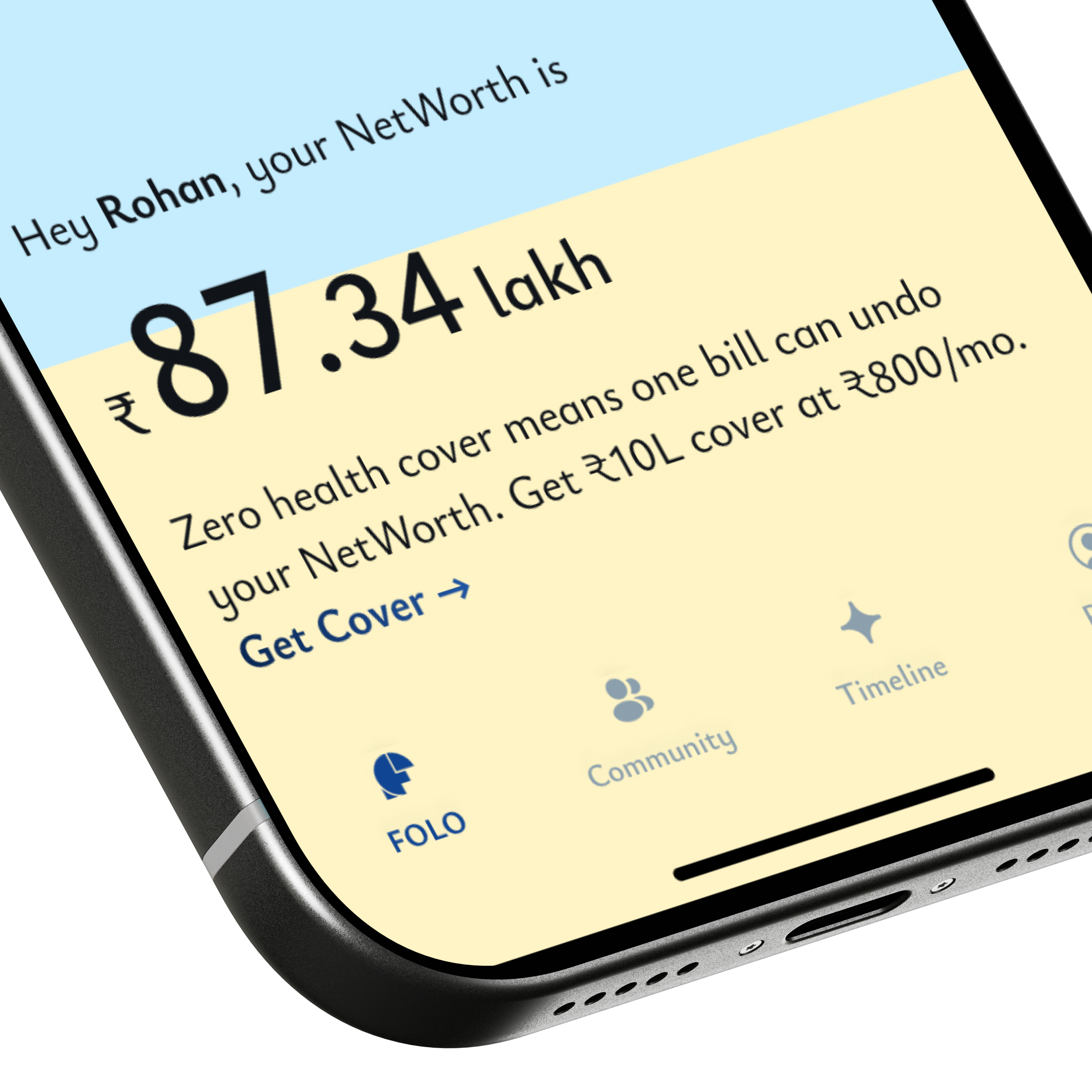
Know what changed in your NetWorth and what needs your attention.
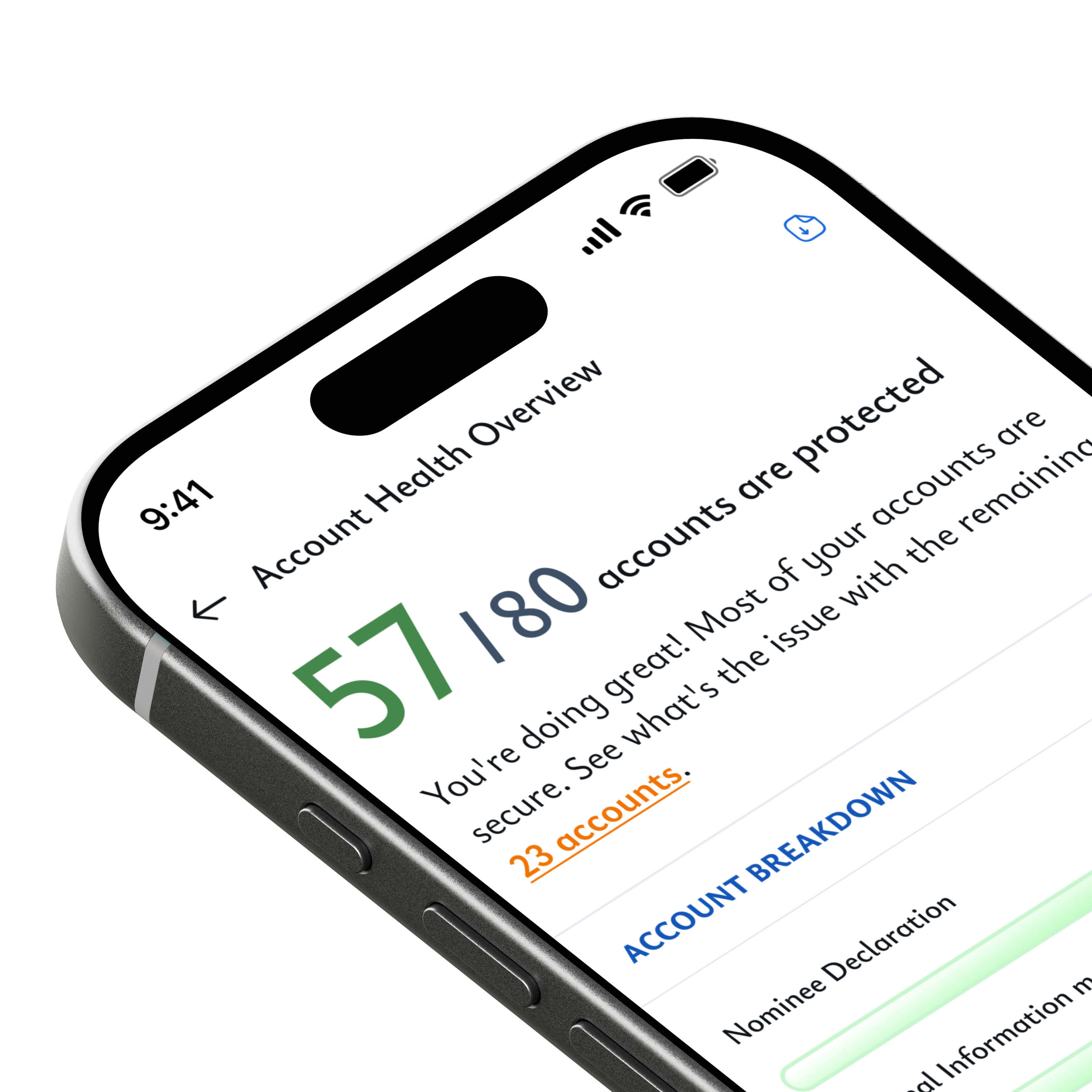
Check nominees, security, completeness, and your overall account health.

Share NetWorth with loved ones, while staying in full control of what they can see.
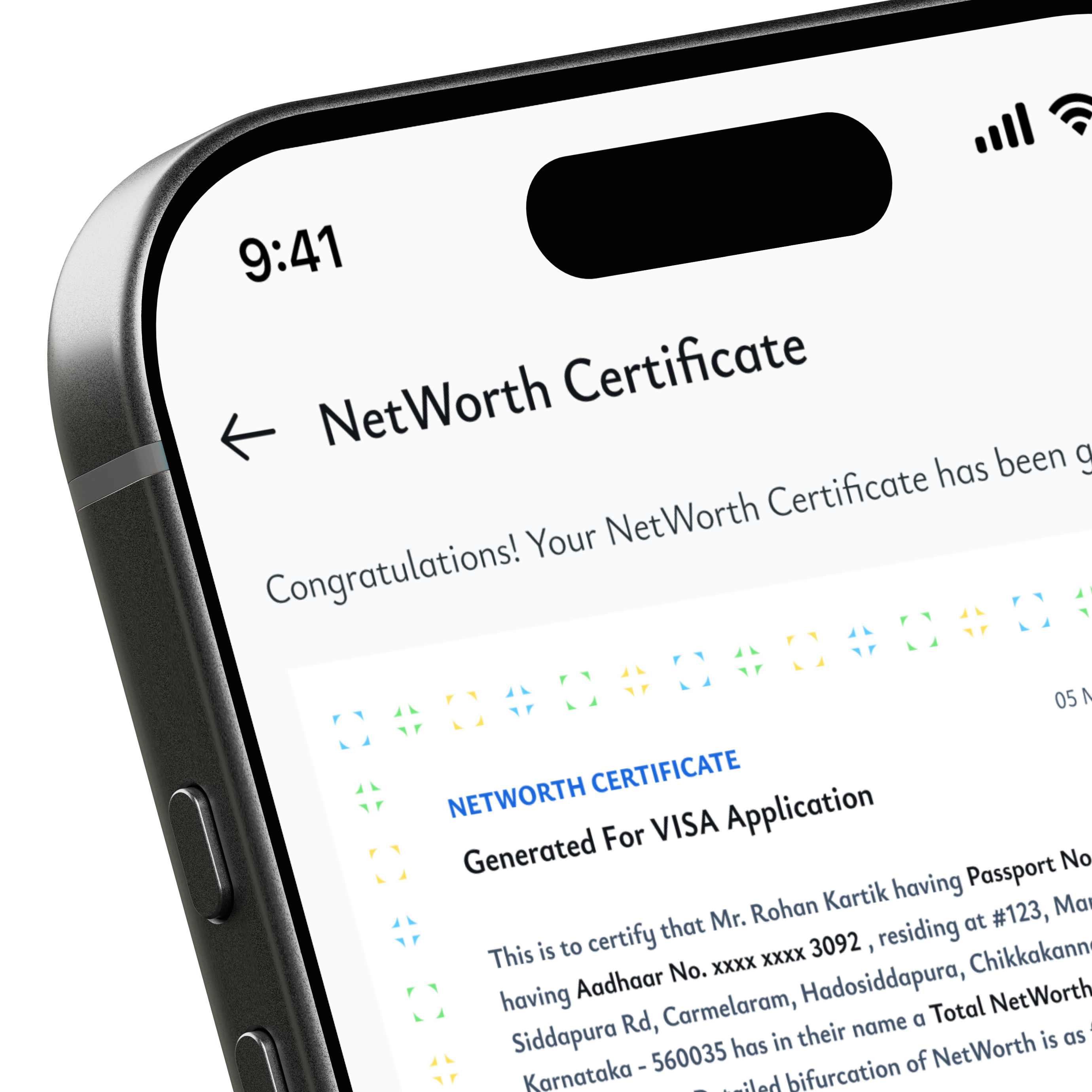
Generate CA-certified NetWorth Certificates for visas, loans, business, jobs & other requirements.

See your upcoming cashflow across the month and plan your finances with more clarity.
Organize, share and grow your NetWorth on FOLO
Download FOLO and start your accreditation today.

A SEBI Accredited Investor is an individual or entity certified by SEBI as financially capable of handling higher investment risk, granting access to AIFs, PMS, private equity, and venture capital under relaxed regulatory terms.
You qualify with ₹2 crore+ annual income, OR ₹7.5 crore+ net worth, OR ₹1 crore+ income combined with ₹5 crore+ net worth. Trusts and corporates have separate AUM and net-worth thresholds.
Not for all AIFs today, but accreditation unlocks lower minimum investments and negotiable terms. From September 2026, it becomes mandatory for angel investing specifically.
None. FOLO connects to your accounts through the RBI Account Aggregator framework and other regulated, credible data sources using OTP consent only. No uploads, no statements, no CA appointments to coordinate.
The NetWorth Certificate costs ₹999 on FOLO. The traditional CA-led route typically costs ₹2,500 to ₹10,000 and takes weeks.
₹12,999 + GST for individuals, valid for 2 years.
Yes. Your certificate lives in the FOLO app and can be shared digitally with a single tap with your broker, AIF manager, angel platform, or private banker. No more digging through your inbox or chasing your CA.
Yes. FOLO is built on the RBI Account Aggregator framework, which is read-only, encrypted, and revocable anytime. Your data is never sold or shared without consent, and never stored beyond what you authorise.
Your refund is initiated automatically. Your CA-certified NetWorth Certificate remains yours to keep and use independently, even if the accreditation application itself doesn't go through.
Certificate is issued for 2 or 3 years, after which it must be renewed by re-verifying your income or net worth.
Regular investors face standard SEBI protections, including higher minimums and fixed fees on AIFs and PMS. Accredited Investors get relaxed rules such as lower minimums, negotiable terms, and access to products built specifically for their tier.
Certificates are issued by SEBI-recognised Accreditation Agencies, currently subsidiaries of stock exchanges and depositories such as NDML (NSDL Database Management Limited). FOLO's certification is issued through NDML.
SEBI's accreditation framework applies to persons and entities defined under Indian securities law, which includes NRIs in certain cases. Eligibility and documentation can differ for non-resident applicants, so confirm current applicability with the accreditation agency before applying.
Yes. Regular investors in Category I and II AIFs typically face a ₹1 crore minimum investment. Accredited Investors can access relaxed minimums on eligible AIFs and PMS products, subject to what each fund permits.
No, they are separate regulatory classifications from different jurisdictions. SEBI accreditation is based on India-specific income and net worth thresholds, while the US SEC follows its own criteria. Status in one jurisdiction does not carry over to the other.
Yes. In addition to individuals, SEBI's framework extends accreditation to family trusts, family offices, and other qualifying entities that meet the prescribed AUM or net-worth thresholds for non-individual applicants.
Not annually in most cases. Certificates are typically valid for 2 or 3 years, after which you reapply and re-verify income or net worth to maintain accredited status.
Accreditation reflects your financial position at the time of certification. If income or net worth falls below SEBI's threshold before renewal, the certificate may not be renewable.
Accreditation itself doesn't change a fund's returns. It changes access and terms, such as lower minimum tickets and negotiable fees. Returns depend on the AIF's strategy, fund manager, and market performance.
No. QIB is a separate SEBI classification for institutional entities like banks, mutual funds, and insurance companies in primary market issuances. Accredited Investor status applies to individuals, trusts, and corporates accessing AIFs, PMS, and private markets.